


What if chronic back pain isn’t just a medical condition… but a false alarm in the brain?
That’s the radical—and now scientifically validated—premise behind a groundbreaking study published in JAMA Psychiatry by researchers at the University of Colorado.
And the results were jaw-dropping:
Two-thirds of participants became pain-free or nearly pain-free. No medication. No surgery. Just a shift in how they understood their pain.
The Study That Changed Everything
Led by neuroscientist Yoni Ashar, the study followed 151 people who had suffered from chronic back pain for at least six months.
They were randomly assigned to one of three groups:
- A four-week psychological intervention focused on rethinking the nature of pain
- Placebo group
- Usual care group (no intervention)
After four weeks:
- 66% of patients in the treatment group were pain-free or nearly pain-free
- In the control groups, only 10% and 20% saw that kind of improvement
How It Worked
The intervention focused on teaching patients that pain isn’t always a sign of damage—especially once healing has already occurred.
Participants learned to:
- View pain as a protective message, not a physical defect
- Move without fear and re-engage with their bodies
- Notice emotional triggers that preceded flare-ups
“The brain can generate pain even in the absence of injury,” said lead author Yoni Ashar.
“And people can unlearn that pain.”
Their Brains Literally Changed
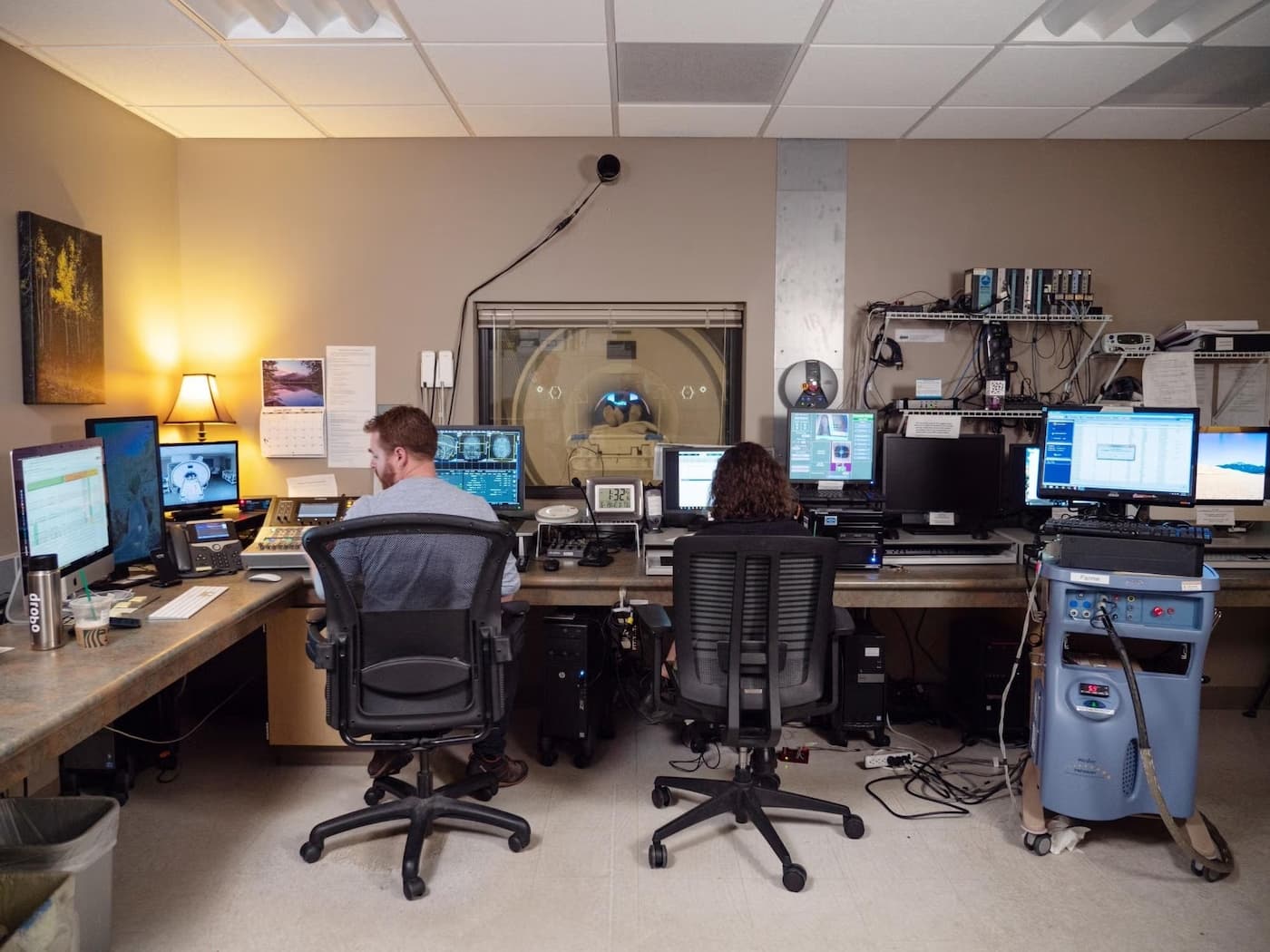
Before and after treatment, participants underwent brain scans.
The results showed reduced activity in key pain-processing regions, including the anterior insula and midcingulate cortex—suggesting the brain was no longer amplifying the pain signal.
This wasn’t just a mindset shift. It was a neural shift.
Why It Matters
A global survey estimated that 90% of chronic back pain cases have no identifiable structural cause. But that doesn’t mean the pain isn’t real.
It means the brain has good reason to be sounding the alarm—often based on unresolved emotional tension, fear, or learned pain associations.
And just as the brain can learn pain… it can unlearn it.
What The Makepeace Method Adds
This study validates what pioneers like Dr. John Sarno knew decades ago: Chronic pain is often the brain’s way of protecting you—from thoughts and emotions it deems too dangerous to feel.
At Makepeace, we don’t just treat pain as a signal to manage.
We help you explore why the signal is there in the first place.
You don’t need endless exercises or cognitive drills.
You need a new lens on what the pain is trying to say.
Sources:
https://jamanetwork.com/journals/jamapsychiatry/fullarticle/2784694
Keep learning


Take This 1-Minute Back Pain Self-Test
If your pain moves around, worsens with stress, or fades when you’re distracted, it may not be structural at all. This short self-test helps you recognize patterns that point to a nervous system stuck in ‘protect’ mode—and how to begin calming it down.

The Harder You Try to Fix It, The Worse It Gets
The endless search for fixes—new stretches, supplements, devices—often keeps the brain focused on danger. Real recovery begins when you stop trying to “fight” the pain and start teaching your brain that it’s safe to relax again.

Harvard Confirms Back Pain Is Usually Not Structural
Harvard researchers found that most spinal changes seen on MRI scans—disc bulges, degeneration —appear just as often in people without pain. These are normal signs of aging, not proof of damage. The true driver is often the brain’s over-protective alarm system.
Real people. Real relief.
These are real stories from people who were stuck in pain—until they tried the Makepeace Method. Now they're free.
Since doing the reset, my lower back and glute pain has never returned.


“Knowing what I know now, I regret having back surgery.”

“I feel so much better — and I’m grateful this exists.”

“This took my pain from a 9 or 10 down to a 1 or 2.”

“After doing the program, I got up from my desk one day and the pain and tingling were just gone.”

“I've had significant improvements in my pain levels. I now feel confident about managing my back health.”

“This method makes a complex idea easy to implement. Bottom line: I’m feeling much better.”

“I was bedridden for weeks. Now the pain is gone, and when it flares, I can shut it off.”

“I was a massage therapist for 30 years. Several weeks ago I started an excruciating ordeal with back pain. The Makepeace Method was life changing for me. My back has improved tremendously. Thank you a million times over.”

“I loved your course. It was a blessing listening to your videos. It has given me hope on my healing journey.”

“I had been truly suffering for months. Within a few days, I was moving freely again. Thank you.”


You've done your time in pain. Now take your life back.
You’ve fought hard and tried it all, but the burden was never yours to carry forever. Your brain is ready to reset, your body to feel safe again. Pain is not who you are - it’s time to reclaim your life.
